|
|
||||
|---|---|---|---|---|
| Volume 56 Number 32, October 31, 2026 | ARCHIVE | HOME | JBCENTRE | SUBSCRIBE |
Workers' Weekly Internet Edition: Article Index :
Autumn Budget 2026:
The Working Class Must Set the Direction of the EconomyNo to Preparations for War! Invest in Social Programmes!:
Treasury Steals £1bn from Health Capital for Military BudgetNational Anti-War Tour:
The International Movement Against WarMajority of UN Member States Vote to End US Blockade of Cuba:
Cuba Is Not a Threat - The Blockade Is!

Chancellor John Healey presented the Labour government's autumn Budget on October 28 under the promise of "Breathing Space now, Fresh Hope for the Future". Its direction is revealed by the claims it guarantees. Public funds are to expand private investment and military production; departmental capital budgets are to be reduced to help meet the Defence Investment Plan; and further restraints on social provision are being prepared in the name of fiscal discipline.
The issue running through the Budget is how the economy is directed and who sets that direction. RCPB(ML) upholds that it is the producers of social wealth who must organise to become the authority that determines its use, defends the rights of all and develops society's productive capacities to meet human needs.
The Chancellor's Budget announced the provision of a £100 Household Energy Payment for eligible households in England in council tax bands A-D from January 2027, through a £2.6bn package which includes funding for devolved governments. The electricity VAT cut is extended to July 2027. The Bank Corporation Tax Surcharge rises from 3% to 6% for fifteen months to help fund the support, with the official document ruling out an extension. Industrial electricity support is to begin in April, including backdated payments. [1][2]
From April 2027, the National Living Wage rises by 3.9% to £13.21 an hour, with a lower rate of £11.27 retained for 18 to 20-year-olds. The Union Learning Fund is to be restored in England. An additional £1.5bn is allocated for around 10,000 social and affordable homes, prioritising Social Rent, alongside a separate £4.7bn equity-loan scheme for first-time buyers.
The National Wealth Fund receives an additional £15.4bn of capital, including £2bn for the Energy Wealth Fund, bringing its total capitalisation to £43.2bn. The government also commits the NWF and British Business Bank to deploy up to £5bn over four years in defence, dual-use and other sectors serving its national-security priorities. A new taskforce is to mobilise private and international defence finance. The Budget retains full expensing for eligible corporate investment and introduces a founders' capital-gains relief with a 10% rate on qualifying lifetime gains up to £10m.
However, it is the military's direct claim on departmental resources which is taking priority. The £15bn Defence Investment Plan announced in June required a further £4.7bn of funding. The Budget supplies £3bn of this by further reducing departmental capital budgets by 1% in each of the years 2027-28 to 2029-30, with £1.7bn from the Treasury's capital Reserve. It confirms a target of military spending at 3% of GDP in 2030, on the path to the NATO commitment of 3.5% by 2035. Additional support for Ukraine includes loans, export-finance guarantees and urgent military funding.
Chancellor Healey reaffirmed the government's intention to reduce what is called the welfare bill, with further proposals to follow the Milburn and Timms reports. From 2030, the State Pension Triple Lock is to be adjusted; the government estimates pension expenditure will consequently be £15bn a year lower by the late 2030s. It links this change to its promise of a National Care Service in England. The Budget also advances the assignment of tax revenues to mayors and local authorities, presented as a means of driving regional growth.
The Budget is therefore organising social resources around the government's conception of growth and its pro-war direction. It sets aside further public capital to attract private investment while opening public financial institutions more explicitly to military production. It places departmental investment under renewed pressure to secure the military plan.
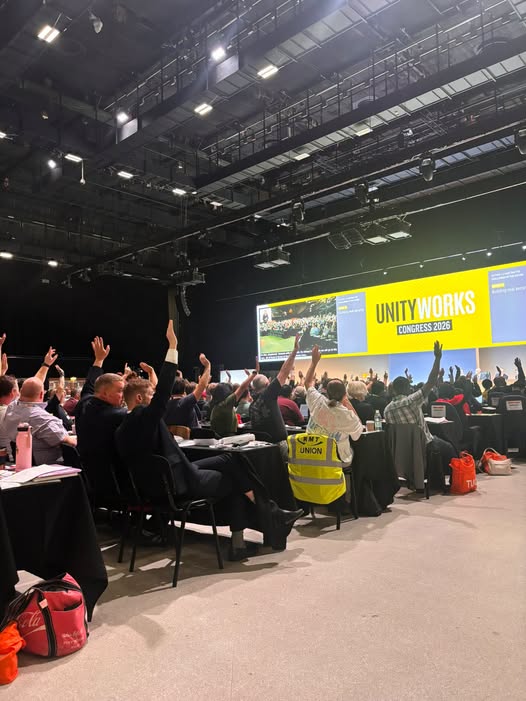
Delegates voting to support Motion 75 at the TUC Congress
2026
Public investment has to be judged by its aim, ownership and control. Housing, energy and industrial development require substantial investment. Society's need for these things is real. Under the Budget's arrangements, which are based on so-called "fiscal rules" that do not recognise that social wealth is produced by working people, the state supplies finance, tax advantages, procurement opportunities and regulatory changes intended to make investment attractive to private owners. The new founders' relief gives qualifying owners a preferential tax rate on gains of up to £10m, while public financial institutions are assigned the task of drawing private capital into the government's chosen sectors. Workers and communities must then fit their lives around decisions taken through those arrangements. The demand for a new direction requires that they acquire the authority to determine what is produced, how it is developed and how its revenue serves society.
Military production intensifies this fundamental problem. The reduction of departmental capital budgets establishes an actual transfer of priorities towards the Defence Investment Plan. Capital spending sustains buildings, equipment and infrastructure essential to services and communities. This is being squeezed while money is mobilised to expand military capability and the industries supplying it.
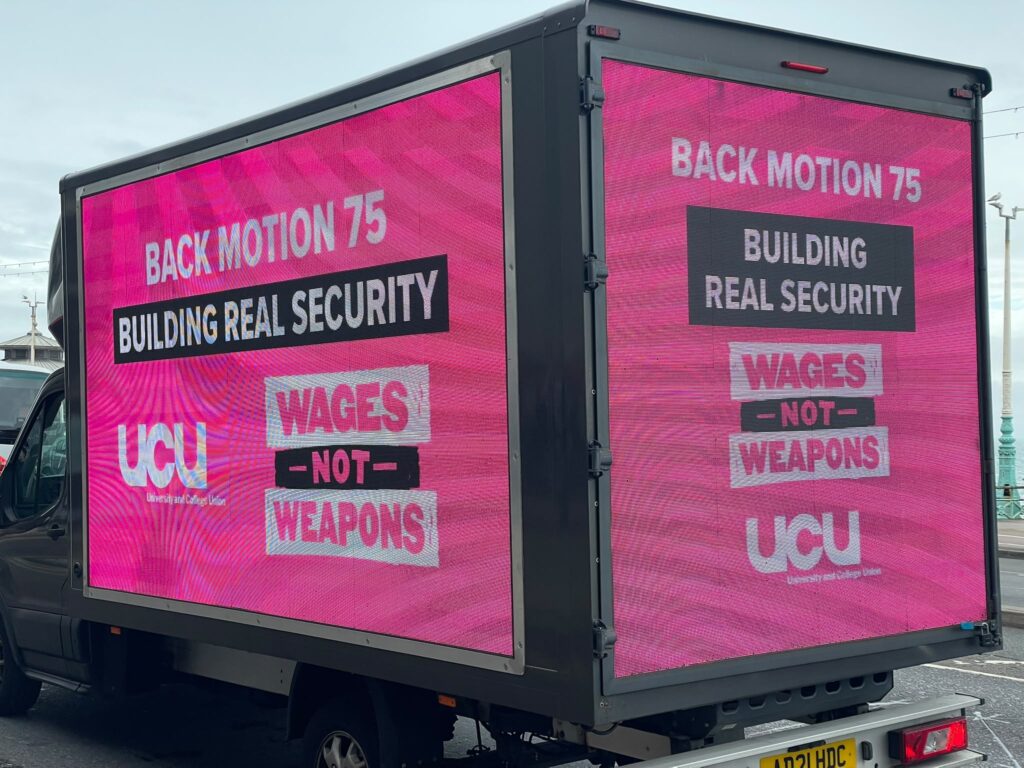
In this respect, it is significant that the recent TUC Congress passed Motion 75, supporting the Wages Not Weapons campaign and affirming a conception of security founded on social provision, rights, peace and international cooperation. [3] Although the slogan of Wages Not Weapons does not encompass the full scale of the contradiction, nevertheless this decision gives expression to opposition within the workers' movement to the militarisation of the economy. Pursuing that stand brings workers into conflict with the economic direction upheld by the cartel-party system and raises the necessity for their own independent programme.
The treatment of social provision also reveals a conception of wealth that the working class must challenge. Health care, education and other social programmes produce value by developing and sustaining people's productive capacities. Those capacities enter every branch of the economy through the work people do. The value embodied in the capacity to work is reproduced through living labour. The enterprises employing workers benefit from the education, health care and other social provision which develops that capacity. Yet responsibility for financing its production is shifted onto public budgets and the workers themselves. The institutions producing that value are left appealing for sufficient allocations.
Investment in social programmes must proceed from the claims people have on society and the value these programmes produce. Society requires economic relations that secure the reproduction of its human productive force. Enterprises must meet direct obligations for the social value they use, and workers in these services need the authority to meet the needs they well know through their experience.
In this Budget, the government's programme for restructuring the state is tied to business growth, military capability and further austerity. Public institutions are being directed towards securing private investment and expanding military production, while social provision must accommodate the fiscal priorities set by the executive. Devolving revenue streams gives mayors and local authorities additional resources within this same economic direction. The people remain outside the authority that determines its aims. This restructuring carries forward the anti-social offensive, repurposing public authority around the demands of narrow private interests. The fight to defend services and livelihoods therefore also concerns the power to decide. Workers and communities need mechanisms through which they can set priorities, determine the use of social wealth and exercise control over the decisions made in their name.
Working people are acting within this situation. The demands brought to TUC Congress, the fight for public services, and opposition to militarisation express efforts to assert their own claims and economic aims. The immediate question is how to strengthen this motion as an independent political force. The movement's own discussion, organisation and action must develop its ability to make another direction prevail.
This alternative direction includes the people's right to peace. The use of jobs and skills to enlist workers behind military expansion must be rejected. The social wealth and productive capacities exist. It is the working class who must organise to set the direction of the economy and vest decision-making power in the people.
Reject the fraud of "breathing space" and "hope for the future"! Occupy the space for change, and take control of the future!
Notes
1. Budget 2026, HM Treasury, October 28, 2026.
https://www.gov.uk/government/publications/budget-2026-document/budget-2026-html
2. Financial Statement and Budget Report, House of Commons, Hansard, October
28, 2026.
https://hansard.parliament.uk/commons/2026-10-28/debates/3C01A9B5-6F3F-4C82-95F2-21BDCBEBF7AC/FinancialStatementAndBudgetReport
3. "TUC Congress 2026: A Step Forward in the Independent Voice of the
Working Class Movement", Workers' Weekly, September 26, 2026.
https://www.rcpbml.org.uk/wwie-26/ww26-27/ww26-27.htm#1
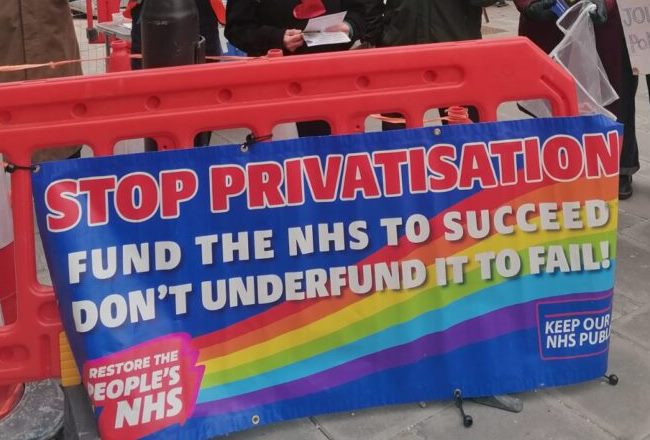
The October 28 Budget revealed that the Department of Health and Social Care's capital budget is being cut by £1bn over the next four years, as the government moves capital to bolster funding for the military and the "Defence Investment Plan". The capital budget is being cut by up to £300m each year to 2029/30.
A report in the Health Service Journal (HSJ) explains that in June the government said that the DHSC's capital budget would be reduced by 1 per cent, around £580m over four years, to partially fund the defence investment plan. However, this raid has now nearly doubled. The Budget document said that £3bn of the remaining £4.7bn needed for defence would come from "further reducing departmental capital budgets", by another 1 per cent from 2027/28 to 2029/30. This will mean that major capital health projects in the coming years, particularly the New Hospital Programme, would have to be cut back in the face of this reduction.
King's Fund policy director Siva Anandaciva has said that any raid of NHS capital budgets to fund the defence plan would "likely lead to further delays" to the New Hospital Programme, HSJ reports. Hiba Sameen, lead economist at the Health Foundation, further explained: "After years of underinvestment, reducing funding for buildings, equipment and technology risks undermining the productivity gains needed to improve care and cut waiting times."
In addition, the Nuffield Trust chief executive Thea Stein said today's figures "confirm that soaring inflation will wipe at least £1bn from next year's NHS budget in real terms" compared to what was promised last year.
A published comment on the HSJ article pointed out: "The NHS is already catastrophically short of capital per worker. The budget is already far too small even to recover historic maintenance backlogs."
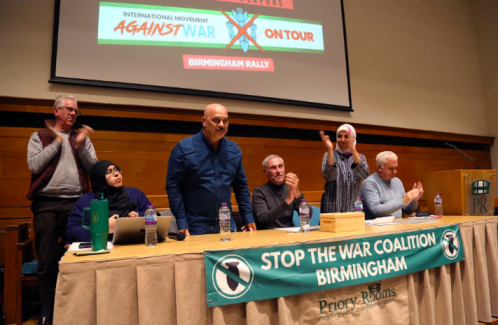
Stop the War Coalition reports that the opening night of the national anti-war tour took place on October 22 in Birmingham. More than 150 people packed the hall. French MP Jérôme Legavre spoke of students having to rely of food banks while billions is spent on the military and war, and docker Giorgos Gogos told of the dockers' strikes and action taking place against arms shipments to Israel.
"The international movement against war and for Palestine was brought to the heart of the country's second city. The power and emotion of the night will sharpen the local movement's focus," commented one local activist in attendance.
Jérôme Legavre was in London on October 23, joined by leading British activists, with Greek docker Giorgos Gogos and Peter Mertens, Belgium member of parliament for the Workers' Party.
The international movement headed to Bristol on October 24, followed by Brighton, Liverpool, Newcastle and Glasgow during the past week. Each rally hosted international speakers, including eyewitnesses from the strikes and protests erupting across the continent.
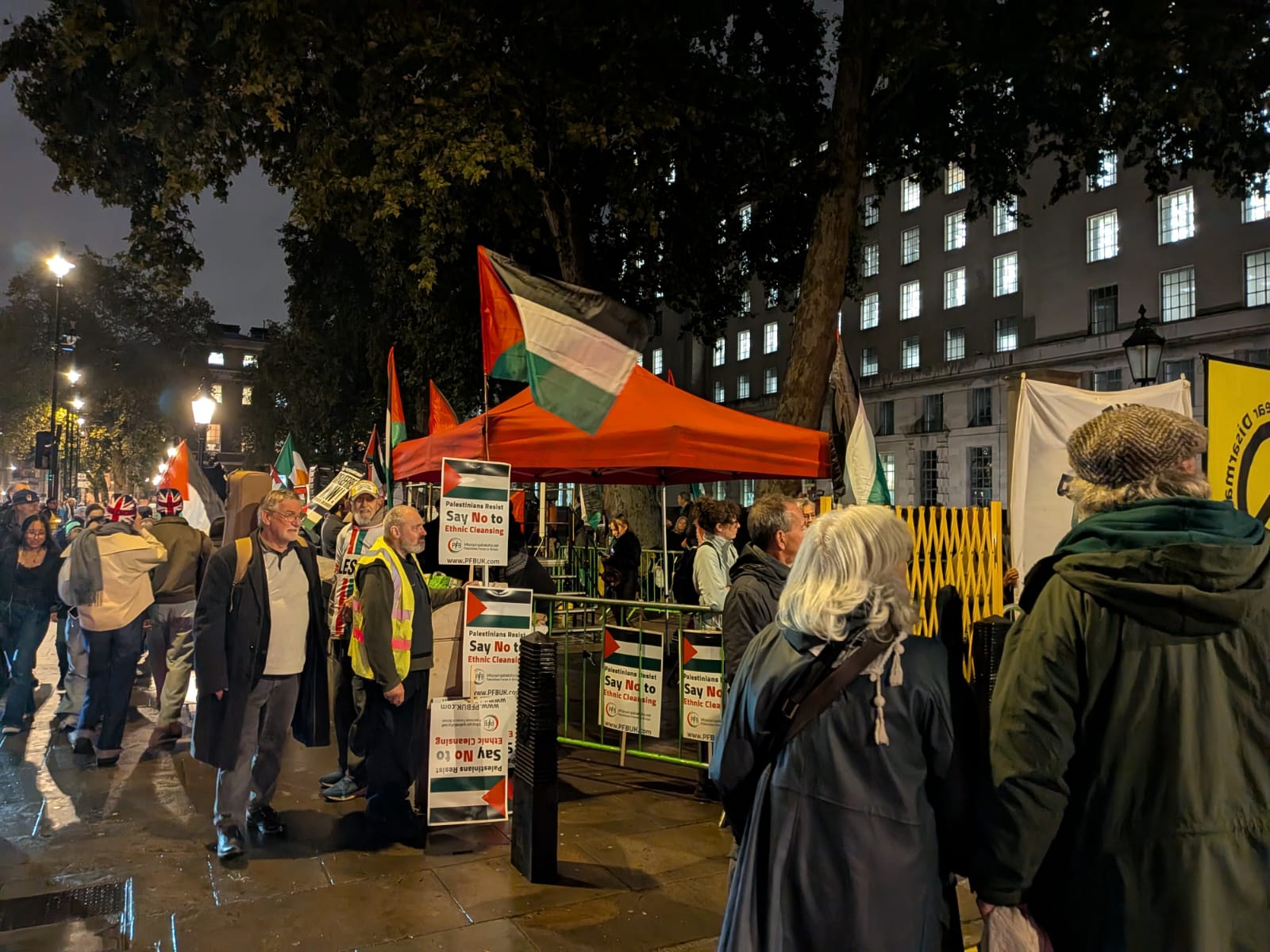
As Defence Secretary Wes Streeting deploys British fighter jets to Saudi Arabia to assist with its war on Yemen, and mass protests spread across Europe demanding an end to cuts and militarism, an emergency demonstration, "Hands Off the West Bank! End Apartheid!" was held in Whitehall, opposite Downing Street, on October 26, in support of Palestine against the continued genocide being perpetrated by the US/Israel with British complicity. Slogans included: "No to occupation. No to apartheid. No to the forced displacement of Palestinians."
Students and youth say no to war, militarism and conscription: Friday, November 20
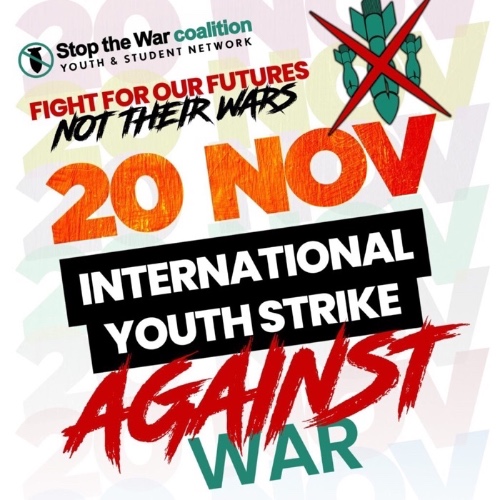
Stop the War Coalition reports in its newsletter: "As we heard in John Healey's budget statement it's a budget for war and austerity and war preparations are continuing apace. So it's all the more important that our international days of action are widely supported."
The international student and youth strike is taking place on November 20. Stop the War writes: "Thousands of students across the UK and internationally will walk out of their schools, colleges and universities against the drive to war, the militarisation of education and the austerity that comes with it.
"In London there will be a rally in Trafalgar Square where students from across the capital will come together at 1pm following uni and college walk-outs. In Manchester students from Manchester Met and Manchester Uni will be meeting at Whitworth Arch at midday. In Sheffield there's walk-outs at both Sheffield Uni and Sheffield Hallam followed by a rally outside the Town Hall at 1pm, and there are walk-outs and rallies in Brighton and Glasgow.
"Then on Saturday, November 21, we will see protests and activities around the country. In London there will be a protest outside Downing Street at midday. A peace conference is being held in Preston. In Manchester StW is supporting the Lucas Plan 50 years anniversary conference. Other protests and actions are taking place in Liverpool, Brighton, Bristol, Cardiff, Newcastle, Birmingham, Glasgow - details to be announced.
Over 100 ports say no to arms and genocide
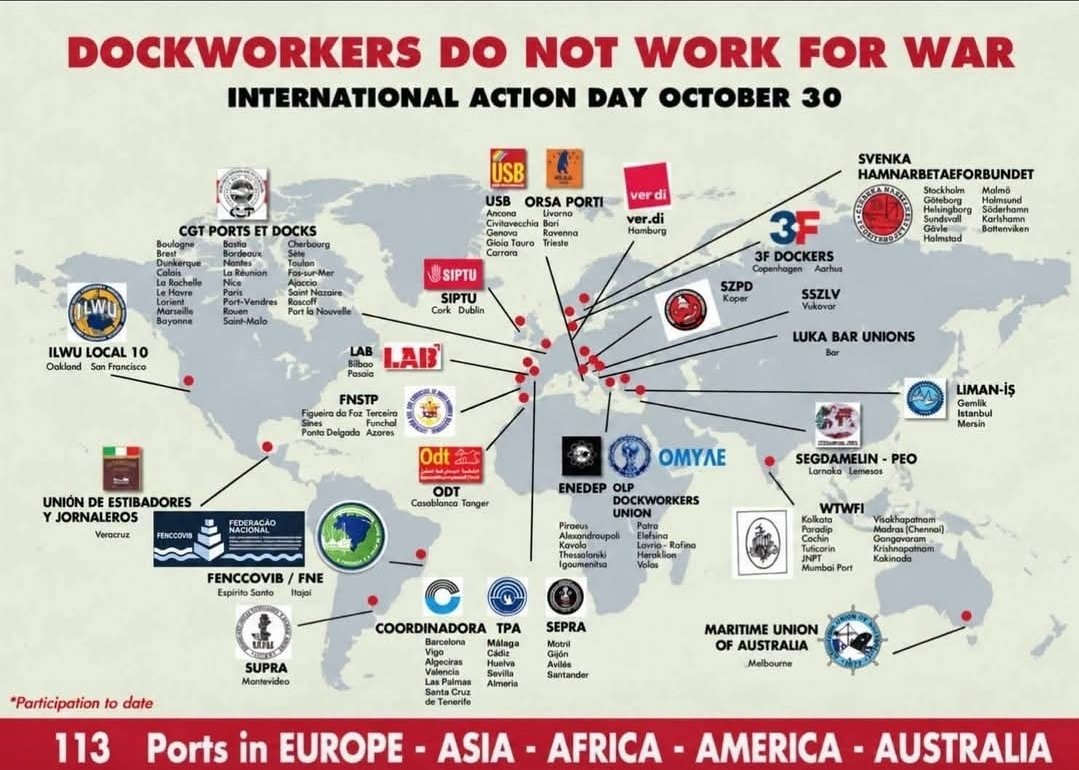
October 30 saw the largest co-ordinated action against war by dockworkers in 113 ports across 22 countries. Actions included 24 hour strikes at ports in France, Italy, Greece and Türkiye; stoppages in Morocco, Cyprus and elsewhere as well as rallies at port gates. In France, the main dockers' union said the country's ports will be 95% shut.
The action was five times larger than the strikes in February, spreading to ports across the world - India, Australia, US, Brazil, Uruguay and Mexico as well as numerous Mediterranean ports. In the Mediterranean the strikes delayed over $2.8 bn worth of cargo costing around $57 million.
National Anti-War Tour Meeting in Newcastle
Following the phenomenal success of the International Anti-War Conference in June, Stop the War has organised a national anti-war tour. On October 28, another successful meeting took place in Newcastle at the Mining Institute, Common Room. Speakers at the meeting were Ulrike Eifler German Trade Unions Against War, Andrew Feinstein author and activist, Fran Heathcote General Secretary of the PCS union, Sophie Johnson Scottish Stop the War, Lindsey German Stop the War and Marine, a French student, eyewitness to resistance of the schools students in France as part of the mass European resistance of the youth to austerity, conscription, rearmament and militarism.
Opening the meeting, the Chair, Tony Dowling of Newcastle Stop the War, said that this meeting was part of a tour organised by the Stop the War Coalition following the second international anti-war conference where 3,000 people including trade unions took part from all over Europe. Referring to the emergency protest outside Parliament for Palestine on October 26, he said that Alex Kenny, Chair of Stop the War, condemned Wes Streeting's warmongering statement that "we have a thousand days to prepare for war" and said that "we are here as we are tonight to talk about a war that our government is complicit in, the war on the Palestinian people, and the need to campaign against wars that are being generated across the planet."
Emergency protest for Palestine in Whitehall on October
26
Sophie Johnson condemned the hysteria coming from the government and generals directed at the working class to prepare for war saying that "we need a much bigger anti-war movement, a much more organised anti-war movement to confront that fact. And we need to have in it at the very least trade unionists who oppose putting arms in the hands of those who have spent the last 25 years laying waste to the Middle East. And we need to have much more people that are prepared to say that it is our government, not Russia, who's the source of every problem in our society."
Marine, the French student, spoke in detail by video link about the struggle of school students and University students in France who have now been joined by mass mobilisations in Spain, Serbia, Albania and Brazil, adding that "the situation in France has a distinctive feature".
Andrew Feinstein said: "We have political prisoners serving lengthy sentences for opposing the genocide despite Miliband telling us that we were right. We have huge numbers of young people currently on trial, where they're being charged with usually minor criminal damage and then sentenced as terrorists." He concluded by saying that "we have got to grow this anti-war movement like we have never done before".
Fran Heathcote said that "there is a cost of living crisis in this country at the moment. We have record numbers of families homeless. We have record numbers of children about to spend Christmas in temporary accommodation. We have near record National Health Service waiting lists and 2 million pensioners are still living in poverty. But if you listen to the many politicians and much of the media, they will tell you that the number one priority is not any of that. It's to increase defence spending. We're here tonight to say no to that agenda.
"And just in this past week, Andy Burnham has announced our armed forces will be sent to Saudi Arabia to defend that human-rights-abusing dictatorship. The people who hang people for being gay, who chop up independent journalists, and who have waged a campaign of starvation and bombing against the people of Yemen."
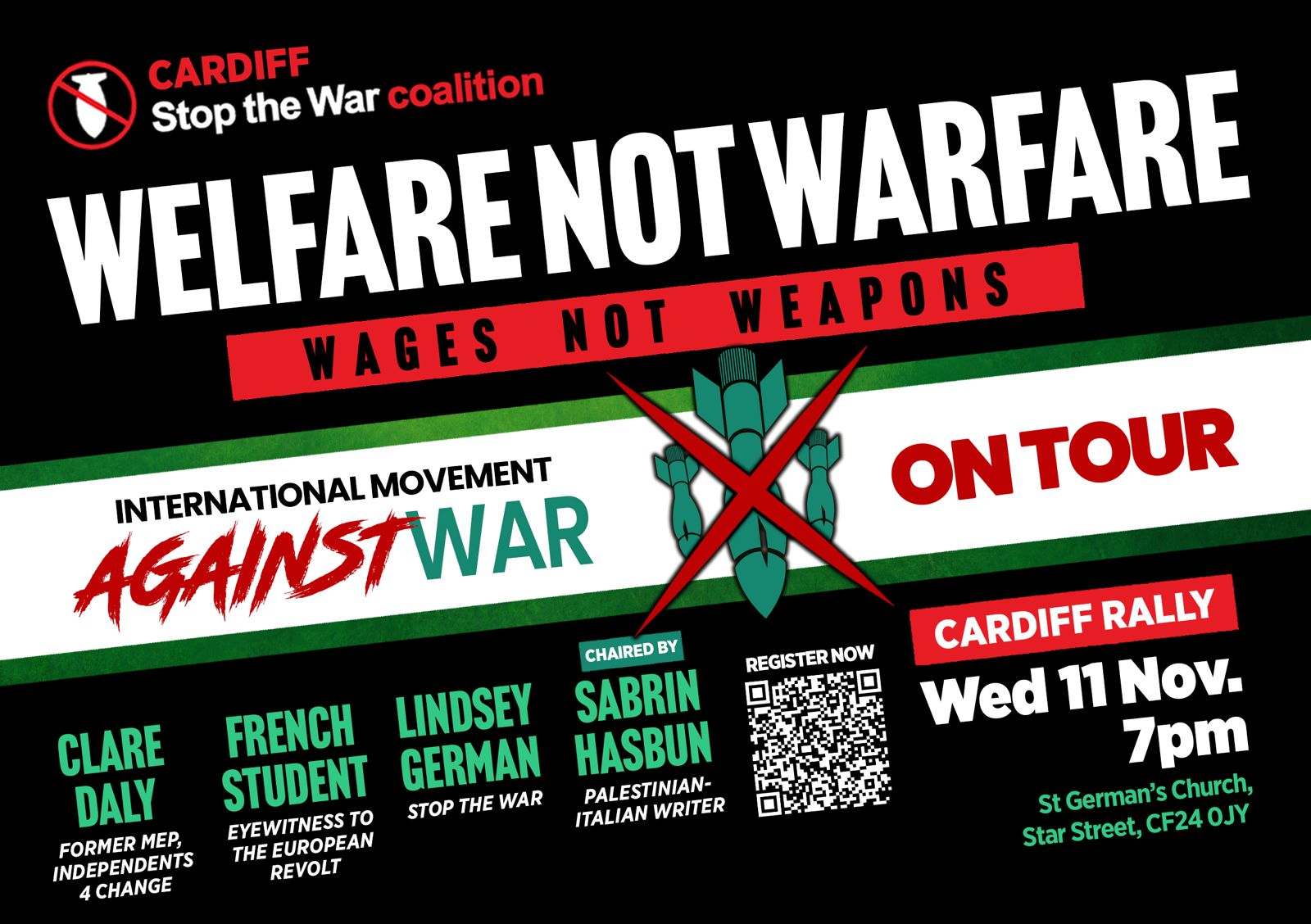
Lindsey German condemned NATO and its drive eastward saying: "You have to say that the continuation of the war in Ukraine is very much the motivation of the British, the French, the German, all of these governments are pouring huge amounts of resources into it. And it is also very largely to do with the expansion of NATO eastwards and what that has meant over the last 30 or 40 years."
Lindsey German continued; "Whatever the dangers facing Britain, they do not mainly come from any of this stuff or indeed from Russia or from Iran or anywhere else that they say. And when they say that, as people have referred to, prepare for war in a thousand days, why not prepare for peace in a thousand days? Why don't we spend three years trying to work out how Britain has been involved in causing such damage around the world? Maybe if they stopped arming Israel. Maybe if they stopped backing Saudi Arabia. Maybe if they stopped doing some of these things. Might be a bit more chance of peace in the Middle East."
In conclusion Lindsey suggested, "We should go to the students and try and get them to strike and walk out on November 20 in solidarity with their European counterparts ... And on November 21 we should have a day against militarism again in solidarity."
Ulrike Eifler opened by saying: "It is crucial that we understand that we are living in very significant times. These are times in which on the one hand the establishment is preparing for war. On the other hand the protest is growing. And I think it's not coincidence that Germany, a country experiencing a massive de-industrialisation, is the driving force behind war co-operation in Europe. Feeling the decline, the establishment prepares to enforce their interest through military means. Germany plans to spend 5% of its GDP on armament, five years earlier than every other NATO nation, 250 billion euros for weapons." She said that the German government is planning to "enforce the obligation to work in the rearmament industry, in the hospitals, in the energy sector in the event of war and the hospitals prepared to deny medical care to those who are not essential to the war effort. This is the new German militarism and I think we have to bring it down as soon as possible. What we can see very clearly right now wherever war is being prepared there also grows the readiness to resist."
Concluding the meeting, the Chair called on people to go back to their trade union branches and get them to affiliate to Stop the War and to the Palestine Solidarity Campaign and get motions in support of the anti-war movement and build those links and find a way to take action like they are doing in France. "So please don't just go away and say how good this was today. Go away and take some further action to build this movement in the next weeks and months ahead. So thank you very, very much again for coming."
The speeches can be listened in full, in the You Tube film of the meeting below [1]. As a new participant pointed out on social media after the meeting: "It was such a good meeting with incredible speakers... such powerful anti-war speeches and a video link to an amazingly articulate French student about the student protests. She emphasised the role of trade unions in the protests - and that theme was carried in all the speeches of the need for unions and workers to be central for any successful campaigns."
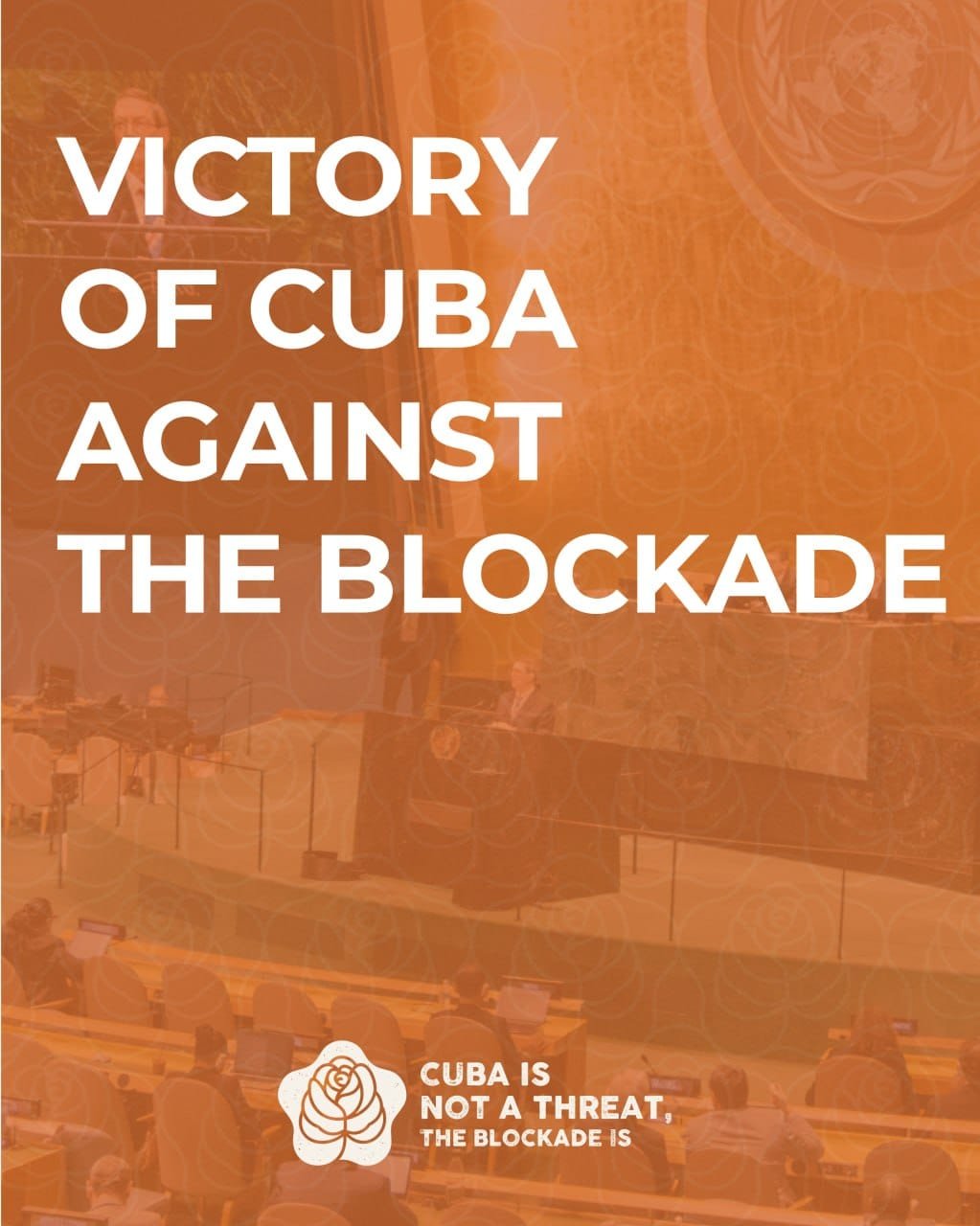

RCPB(ML) congratulates Cuba, its government and entire people for the resounding vote at the United Nations on October 28 to end the all-sided US blockade of Cuba. The role of the solidarity movements around the world demanding their governments take a principled stand is also noteworthy. In accordance with its continued stance, the United Kingdom government voted for the resolution.
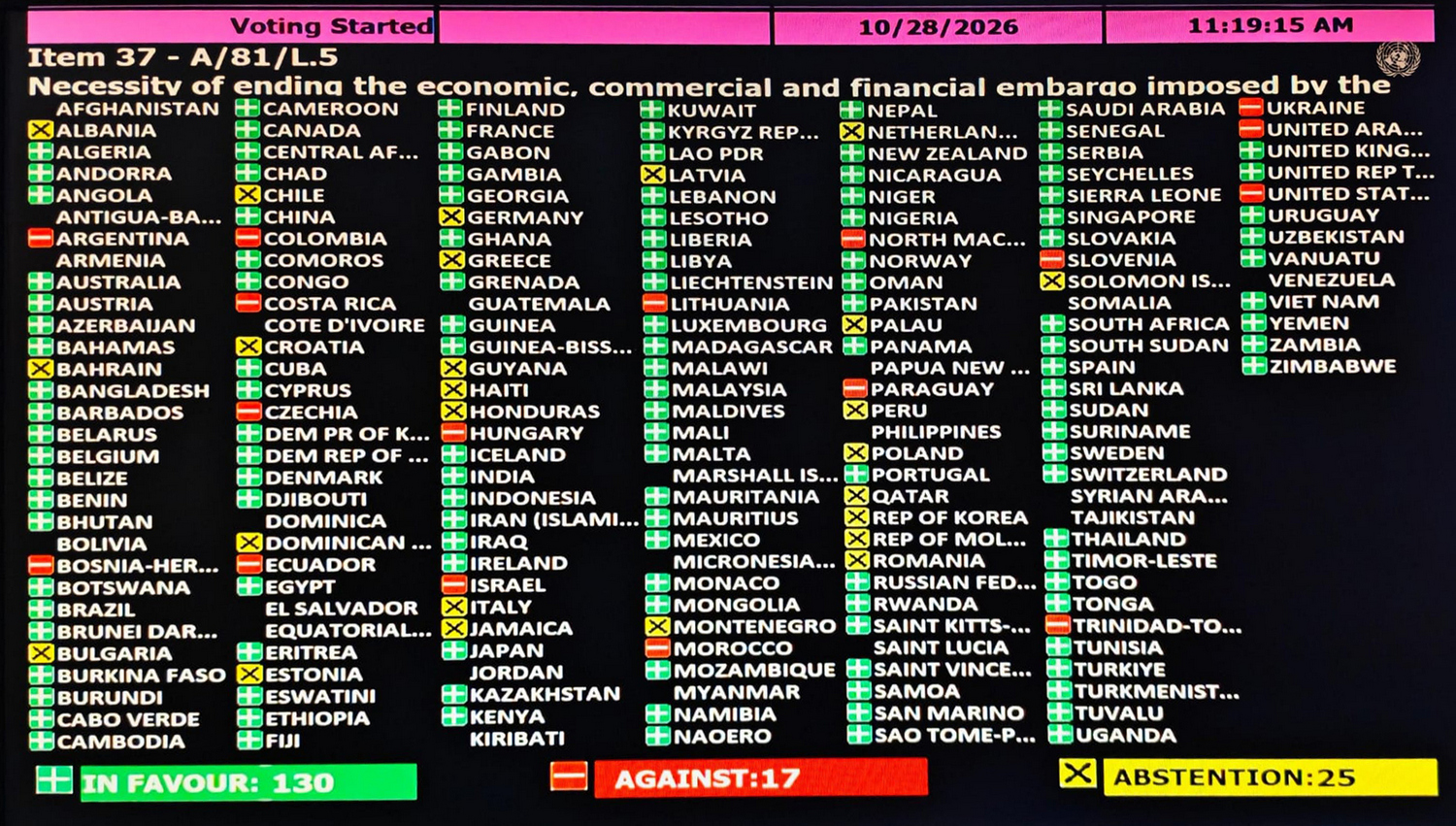
The vote followed the debate in the United Nations General Assembly on October 27 and 28 on the resolution tabled by Cuba entitled: "Necessity of ending the economic, commercial and financial embargo imposed by the United States of America against Cuba".
Following the debate on Cuba's resolution, 130 countries voted in support of the resolution, 17 against, with 25 countries abstaining.
In the graphic below, 21 countries have no mark or a black square next to the name, suggesting they either could not vote for some reason or were absent. Two of these 21 countries, Afghanistan and Venezuela, are suspended from voting because their dues are in arrears. This accounts for all 193 UN member states.
Receive Workers' Weekly
E-mail Edition: It is free to
subscribe to the e-mail edition
We encourage all those who support the work of RCPB(ML) to also support it
financially:
Donate to
RCPB(ML)
Workers' Weekly is the weekly on
line newspaper of the
Revolutionary Communist Party of Britain (Marxist-Leninist)
Website:
http://www.rcpbml.org.uk
E-mail:
office@rcpbml.org.uk
170, Wandsworth Road, London, SW8 2LA.
Phone: 020 7627 0599: